
Invoice finance offers UK businesses a reliable way to manage cash flow and release tied-up capital when you need it most. But the provider you chose to work with a few years ago might no longer fit your business as it stands today.
Whatever reason you’re considering switching providers, the great news is there are plenty of providers out there, and it’s easier than you think to make the switch.
This guide explains how to switch invoice finance providers, what to look for in your current agreement, and how to ensure a smooth transition between providers without disrupting your business cash flow.
Key Takeaways
- Check your contract as soon as possible. Make a note of any exit fees or minimum usage commitments, notice period, and when the end of the contract is.
- Transitioning to a new provider is seamless. Your new provider will usually oversee the inter-lender deed of priority, which means your existing ledger is taken over by them without disrupting cash flow.
- Comparing your options saves you money. Without comparing, you don’t know what’s out there. Switching providers gives you a chance to secure terms that match your business needs, plus access better advance rates and lower service fees.
Why switch invoice finance providers?
When your business grows and changes, your needs change. This means your current invoice finance provider might need to change too.
Here are some reasons you might want to change provider:
- High service and discounting fees. You might be facing higher service charges and factor rates since you signed up with them. Or maybe you’re paying for hidden admin fees. All of this can add up quickly.
- Low advance rates. Alternative lenders can offer up to 95% upfront on your invoices, so if your current provider only offers 70%, you could switch and access high working capital upfront.
- Poor customer experience. Customer experience counts for a lot. If you’re waiting around for approval, you and your customers can become frustrated very quickly. Always check out the reviews for any lender you’re considering switching to to avoid this same situation.
- Inflexible terms. If you want to move from whole-ledger factoring to selective invoice discounting but can’t easily, you might be considering a switch.
What to check before you give your notice
Always check your current agreement before you give notice. You want to make sure you don’t incur unexpected fees. Check for:
1. Notice period
Chances are, your invoice finance contract stipulates a formal notice period, usually between one and six months. Check your agreement to see whether you have to give it before the renewal date, or if you can give it at any time.
2. Termination and refinancing fees
Check your contract for early termination or exit fees. If you leave some contracts before a minimum contract period ends, you might have to pay a percentage of the remaining projected fees. Cost all this up beforehand, because there’s no point switching providers if it isn’t cost-effective.
3. Minimum usage commitments
Check if your provider expects you to make a minimum payment, even if you only submit a few invoices. And if they do, keep up with this during your notice period.
4. Personal guarantees and security
If your current lenders hold a debenture over your assets, or you signed a personal guarantee when setting up, you need them to release these legal ties. Then, your new lender can replace these as part of their setup process.

How switching invoice finance works
The good news is that although it seems like a complex process, the alternative lenders manage most of the admin work themselves.
The switching process typically takes five steps:
Step one: Compare lenders
First, you need to see what’s out there and whether it’s worth switching. So, don’t cancel your existing facility just yet; you need to wait until you have an offer in principle. Use our free tool to compare rates and terms without pressure.
Step two: Receive formal approval
Your new lender will review things like your customer base, trading history, and your sales ledger. Then, you’ll receive an offer sheet containing important details like facility limits, fee structures, and advance rates.
Step three: It’s time to give your notice
If you’re happy with your new offer, it’s time to give your current provider your notice. Send formal written notice and make a note of when you serve it and when the provider acknowledges it.
Step four: Inter-lender settlement
Your new and previous lenders will communicate between themselves to arrange the settlement figure. This figure is the outstanding cash drawn against unpaid invoices, and any other outstanding fees.
The new provider will pay the balance on your old facility and arrange a Deed of Priority or release of charges registered at Companies House.
Step five: Transfer the ledger and go live
Now, your sales ledger will move across to the new system and the lender will reassign any existing unpaid customer invoices to the new facility.
Should you change facility type?
When you switch providers, it’s a good idea to review the type of invoice finance facility you’re using.
Moving from factoring to discounting
If your business now has an in-house finance team, you might not need your lender to oversee credit control. This switch means your funding is private and you regain full control over customer relationships.
Moving to selective invoice financing
Maybe now you’ve grown you only need occasional funding. If this is the case, you can switch to selective (single invoice) finance, which will allow you to reduce monthly fixed costs.
Will switching providers disrupt my cash flow?
No, it shouldn’t disrupt your cash flow at all. Your available drawdown just moves from one platform to another.
Make sure your transition is seamless by continuing to issue your invoices as usual throughout your notice period. Also make sure your client contact list and ledger records are up-to-date, and work closely with account managers from both providers during the last handover week.
Will switching providers disrupt my cash flow?
There’s no need to put up with high fees from your current provider; instead, compare offers out there and find a better fit.
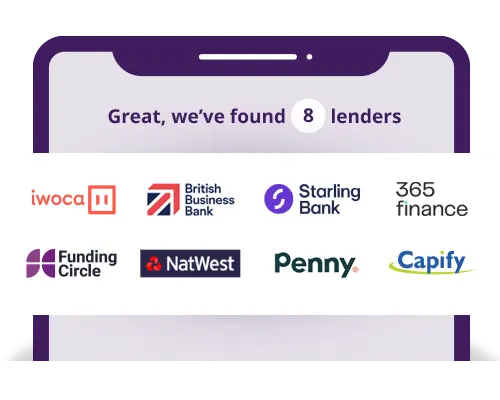
Our free business finance comparison tool makes it straightforward to compare your options side by side. Simply share what you’re looking for, and we’ll automatically match you with eligible providers.
See how much you could save by switching invoice finance providers. Compare invoice finance.






 FAQs
FAQs 0330 223 5036