
Selling on Vinted isn’t just reserved for clearing out your wardrobe of clothes you no longer wear; thousands of UK sellers now use it as a platform to generate income. If you’re looking to turn your love of fashion, sourcing, or reselling into a more structured business, Vinted is a great place to start.
This guide walks you through the basics of setting up your Vinted seller profile, what to expect financially, and how to scale things up when you’re ready to level up to a Vinted Pro account.
Key Takeaways
- Vinted has around 17 million UK users and charges sellers zero commission, making it an accessible place to start your reselling business.
- Casual sellers can earn some pocket money, but structured Pro Sellers with more than 100 active listings can build a regular income.
- If you’re planning to buy stock or invest in packaging, a small business loan can help you better manage your cash flow.
Why sell on Vinted?
With around 17 million UK users, Vinted is one of the UK’s most popular shopping apps. There’s an audience full of users searching for second-hand clothes. According to the app, its UK user base grew by 23% year on year, which shows there’s sustained demand for second-hand goods.
Vinted sellers don’t pay any listing fees or commission. Instead, buyers cover the buyer protection fee themselves, so whatever you sell your item for, minus posting/packaging costs, you keep.
This setup makes Vinted a great way to test the reselling market for very little cost.
What can you earn on Vinted?
How much you make varies depending on what you sell and how seriously you take it. If you’re a casual seller only, you might sell off a few unwanted items to make some extra cash and earn under £100 each month. But if you have more than 100 listings and you regularly source new ones, you can earn several hundred pounds a month.
How does Vinted work?
Vinted is a marketplace app for buying, selling, and swapping second-hand clothes, shoes, and accessories primarily. Although there is a growing interest in other items like homeware, electronics, and books.
- You create a profile
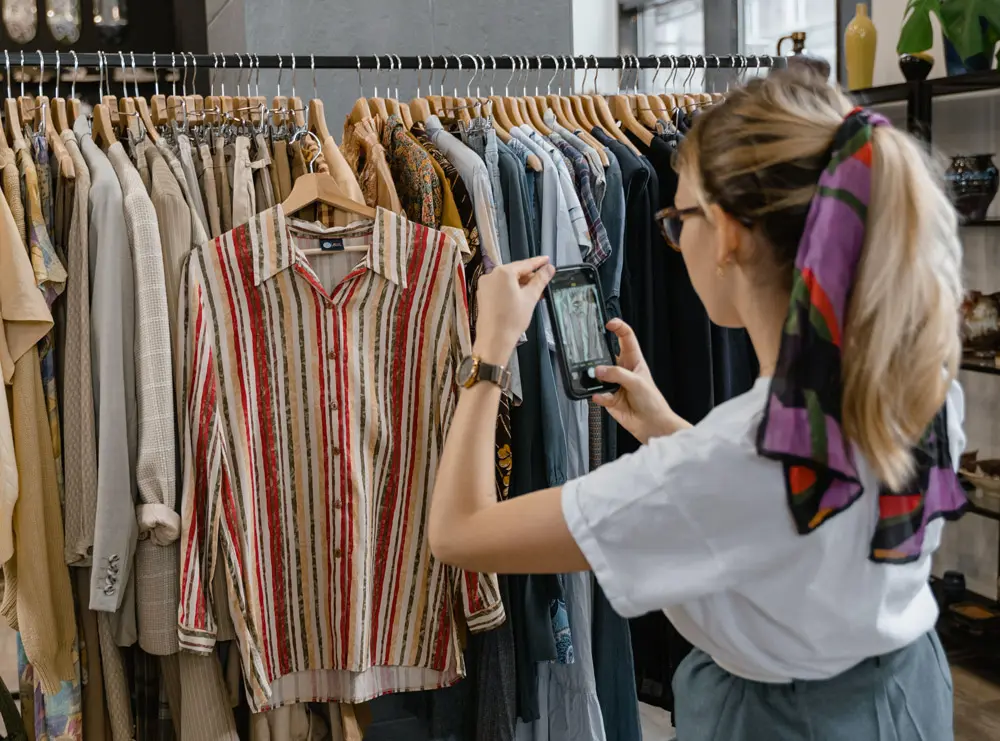
- List your items with photos and descriptions
- Buyers browse and buy directly from you
When you sell an item, the buyer pays through the app, including the buyer protection fee that covers them if something goes wrong. Vinted will then hold your payment until the buyer says they’re received the item. You then get the funds into your account.
You are solely responsible for packaging and posting the item within a short timeframe, typically a few days. You must post your parcel using one of Vinted’s integrated couriers, which include InPost, Yodel, DPD, Royal Mail, and Evri.
Tips for selling on Vinted
There are a few things you can do to sell more on Vinted.
1. Price competitively
Although you want to make money, if you price yourself out, you won’t make any. Check what similar items have sold for, not just what is currently listed. Price slightly higher than what’s out there to leave yourself some room for negotiation.
2. List consistently
Sellers who regularly add new stock tend to see far more visibility in Vinted’s search results.
3. Write clear, keyword-rich descriptions
The platform is like a search engine, so make sure you include keywords people are searching for. Make sure to include condition, brand, size, and material, too.
4. Post items quickly and respond to messages promptly
The quicker you send items and the better your communication, the better the reviews you’ll get.
5. Bundle where you can
Offer discounts to buyers who take multiple items; this encourages larger orders (and saves you multiple trips to the post office).
6. Analyse the numbers
Understand how much it costs you to source items and postage costs so you can see if you’re actually making a profit.
Financial challenges when selling on Vinted
Although creating a profile and selling on Vinted cost you nothing, you still need money to buy stock and pay for postage. You also need the time to take photographs and list the items. To run Vinted as a business, you need to carefully manage cash flow from day one.
You might spend money sourcing stock (from charity shops, friends, retail arbitrage, etc.) weeks before you sell it on Vinted. And the app holds your payment until the buyer confirms delivery. So this delay between sourcing, selling, and receiving payment can put you in a tricky position financially.
Making the switch from a personal account to Vinted Pro
Once you are using Vinted to make a regular profit or to sell at a consistently high volume, Vinted expects you to switch to a Vinted Pro account. This account type is for registered businesses (sole traders or limited companies), and with it you can enjoy unlimited listings, a ‘pro’ badge on your profile to build trust, and downloadable invoices.
Things to remember about Vinted Pro accounts:
- Vinted Pro is completely free to set up and sell through
- You are fully responsible for your business taxes
- You must register as a business to sign up for one
- You must offer buyers a 14-day return window for any reason
Funding your Vinted growth with Capalona
Growing a Vinted business often means spending money before making a penny of it back. You might need to purchase stock upfront (unless you already have that stock!), invest in better or more professional packaging, or cover basic costs while you build the business. That’s how a business loan can help.
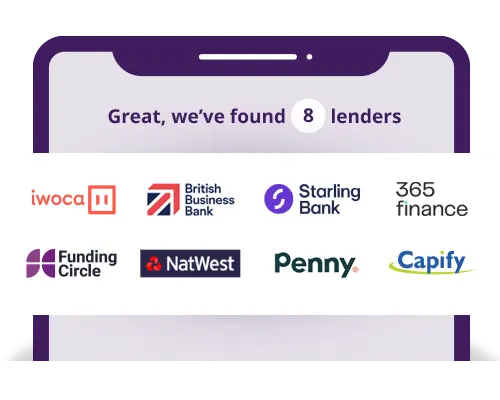
At Capalona, we help UK sellers compare small business loans from a range of trusted lenders, with unsecured borrowing available from £1,000 to £500,000.
Checking your eligibility takes a couple of minutes and won’t affect your credit score. There’s also no obligation to accept any offer you see.
Compare business loans for Vinted.
Vinted seller FAQs
Do I need to register my Vinted business with HMRC?
Yes, eventually you will need to register your business. Although you have a £1,000 trading allowance in the UK (i.e. you don’t need to register with HMRC until you make £1,000), as soon as you reach this threshold, you’ll need to register as self-employed and submit a self-assessment tax return. So, it’s worth keeping an accurate record of sales from the very beginning.
Is Vinted free to sell on?
Yes, it’s free to sell on Vinted, whether you have a personal or a Vinted Professional account. So it’s a great low-cost way to test the reselling market.
Do I have to pay tax on my Vinted earnings?
Yes, if you earn over your £1,000 trading allowance, you will have to register with HMRC and pay any tax you owe.
Can I set up a personal and a pro Vinted account?
Yes, you can create both a personal and a professional Vinted account, but you must sign up using a different email address and phone number. You also can’t list the same items across both accounts. Alternatively, if you want to convert your personal account into a professional account, you can do that, too (if you have no active orders on the profile).
How do I get paid after I sell something on Vinted?
When your buyer confirms they have the item, Vinted will release the payment into your account balance. You can then withdraw this into your bank account.





 FAQs
FAQs 0330 223 5036