Joint Venture Property Development Finance
If you don’t have the working capital to put into your property development project, joint venture finance can help you fund 100% of your project.
- Funding from £1,000 to £10 million
- Decisions in as little as 1 hour
- Compare funding options from trusted lenders
- Check your eligibility in minutes
It's fast, free and won't affect your credit score

Trusted by Hundreds of Business Owners







- What is joint venture development finance?
- How does JV development finance work?
- The benefits of joint venture finance for developers
- The disadvantages of joint venture finance
- Who can apply for joint venture property finance?
- Alternatives to joint venture property development finance
- Why use Capalona to find property finance?
- Joint Venture Property Development Finance FAQs
Checking won’t affect your credit score
What is joint venture development finance?
Joint venture finance is a type of property finance for experienced property developers. The developer, with a proven track record of delivering successful multi-unit residential projects, partners with a joint venture (JV) lender to access 100% of the funds required to complete the project.
This financial arrangement means the developer isn’t held up by a lack of funds, and the project can start quickly.
How does JV development finance work?
In this financial agreement, a Special Purpose Vehicle (SPV) is created; this is a separate legal entity to lessen financial risk to the parent company. The SPV helps structure the joint venture agreement so that it can continue operating if the parent company goes bankrupt.
Funding is typically released in stages. This phased funding helps manage risk and maintain good cash flow throughout the build. An initial drawdown is provided to cover the site or land purchase (with subsequent funds released as the development progresses).
To ensure accuracy avd protect both parties (you and the lender), a quantity surveyor usually visits the site to verify the progress before the lender releases the next stage of funding.
Once the funds are given to the developer, the developer is expected to deliver the project on time and within budget, and the JV lender will usually take 50% of the scheme's profits at the end of the project.
The loan is repaid, and profits are distributed once the exit strategy is successfully executed. This is typically through the sale of the completed units or by refinancing the project onto a long-term commercial mortgage.
Once the sales or refinance proceeds are received, the primary loan amount and any accrued interest are repaid first. The remaining profit is then split according to the agreed profit-share arrangement.
The lender will charge the developer interest on the money drawn down.

The benefits of joint venture finance for developers
There are plenty of benefits to JV finance; here are three:
- 100% funding. The JV lender funds your land and build costs completely; this means there are no financial barriers holding you back from starting your project. So, because no deposit is required from the developer, you can keep your capital liquid rather than having it tied up in a single site.
- Keep personal cash reserves untouched. By using the finance to fund your project entirely, you don’t have to dip into working capital.
- Extra support. The JV partner can offer expert advice throughout the project, which can be invaluable, adding to the profitability of your project.
- Potential for higher returns. Although you share the final profit, the lack of an initial capital contribution means your Return on Equity (ROE) is significantly higher, as you are generating profit without using your own cash reserves.
- Ability to scale. Because you don’t need a large upfront deposit, JV finance allows developers to tackle much larger, high-value schemes that would typically be out of budget.
- Reduced personal risk. Because the lender provides the entire project capital, there’s less personal financial risk for you.
The disadvantages of joint venture finance
As with any finance, JV finance has some potential risks and drawbacks you should be aware of.
- Signing a personal guarantee. Most JV lenders will expect applicants to sign a personal guarantee. This means if you can’t repay the funds lent to you, you’ll be personally liable to repay the loan in full.
- Shared profits. As the developer, you won’t receive all the profits from your project; some will go to the JV partner.
- Interest fees. Although you can roll up the interest with JV finance (meaning you don’t have to repay anything until the loan term ends), interest rates are still relatively high, ranging from 6% up to 16% depending on the loan size and project risk.
Checking won’t affect your credit score
Who can apply for joint venture property finance?
Lenders look for experienced property developers with a track record of successfully managing and completing multi-unit, new build, or conversion schemes. Although applications are assessed on a case-by-case basis, some additional criteria can include:
- Robust exit strategy
- Good business plan
- History of completing projects within budget and on time
- Full planning permission
Alternatives to joint venture property development finance
If you don’t think JV finance is the best way to fund your property project, there are plenty of alternatives:
Business loan
Business loans can be secured or unsecured. So if you have a commercial asset to secure the loan with, you can access more competitively charged interest rates, longer loan terms and large loan amounts. Unsecured loans, however, are quicker to obtain — you can have the funds in your account within a matter of days (usually within 48 hours).
Auction finance
When buying property or land at auction, the buyer only has 28 days to complete the purchase, making it a pretty tight turnaround to secure a mortgage. In these instances, auction finance can help secure the property quickly, with funds usually available within just 24 hours. This short-term finance solution removes all financial pressures when buying at auction.
Mezzanine finance
Mezzanine finance is a type of property development finance that is popular with property developers who can’t quite raise all the funds needed to purchase or develop a property. Mezzanine is like a top-up loan you can take out for the remaining capital needed for your project. Note if you can’t repay the loan, the debt turns into equity for the lender.
Private investors
Although finding and securing investment can take much longer than applying for traditional finance, it’s worth noting that investors can give you so much more than financial aid. Angel investors bring years of industry experience, a contact list of useful connections and valuable strategic advice. These people are already successful business owners themselves, so they can become a huge asset to your business.
Why use Capalona to find property finance?
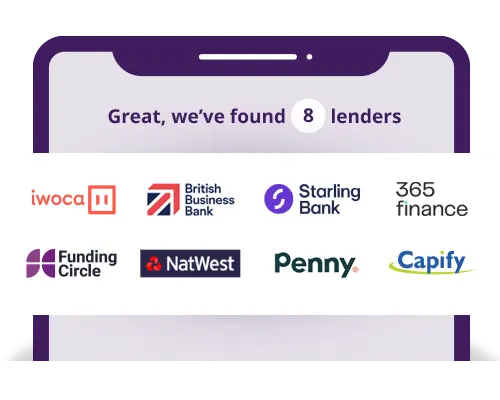
Our loan comparison tool is a self-serve platform completely free of charge. Simply input your details — what you’re looking to borrow, the reason for borrowing and more, and watch our tool instantly match you with eligible lenders.
Scroll through our list of UK lenders, expand each section to read more about their offer, and, if you’re interested, you can continue with your application by clicking through to their website.
Ready? Get your free quote today.
Joint Venture Property Development Finance FAQs
A joint venture is where a developer partners up with a finance provider to fund a project. Instead of just lending money and charging interest, the lender puts in some or all of the funds and takes a share of the profits when the project is sold or refinanced. This means the lender takes on more of the risk, but also gets a bigger reward if the project is successful.
Developers can use joint venture finance for most residential building projects, including:
- New build homes
- Blocks of flats
- Barn or building conversions
- Renovations and refurbishments
- Mixed-use developments (homes and commercial units together)
It can cover the cost of buying the land as well as the build itself, making it a good option for bigger or more ambitious projects that would be hard to fund with your working capital alone.
About the author






Adrian T
5/5
Amazingly fast, efficient service, minimal paperwork. So much faster than my business bank of twelve years.


 FAQs
FAQs 0330 223 5036