Education Business Loans
If you’re toying with the idea of starting your own tutoring or education business, then you might need some financial support. Learn more about education business loans and compare eligible options for free using our tool.
- Funding from £1,000 to £10 million
- Decisions in as little as 1 hour
- Compare funding options from trusted lenders
- Check your eligibility in minutes
It's fast, free and won't affect your credit score

Trusted by Hundreds of Business Owners




- Setup costs for an education business
- Education business loans to consider
- How to start a tutoring business
- Setting up a training business
- Launching an independent school
- Find the right education business loan with Capalona
Checking won’t affect your credit score
There’s a growing demand for tutoring, professional training, and private education in the UK. Parents want extra support for their children, adults want to learn new skills, and businesses need trained staff. So, if you’re thinking about starting or growing a business in the education sector, there’s plenty of demand.
To bring your business idea to life, you might need a bit of financial support. Even if you plan to tutor from home initially, you might need money for equipment or marketing materials. This guide covers the setup costs you can expect and the finance options available to help you.
Setup costs for an education business
Costs vary depending on the type of education business you’re building. A one-to-one tutor working from a dining room has very different needs from someone opening a training centre with multiple classrooms.
Typical costs include:
- Premises. Renting or buying a space or adapting your room at home, both must meet safety and safeguarding standards.
- Equipment. Laptops, whiteboards, iPads, desks, chairs, and other specialist teaching materials.
- Qualifications and checks. Professional indemnity insurance, DBS checks, or teaching qualifications and accreditation fees.
- Marketing. Website design, business cards, local or national advertising, directory listings, or business networking groups.
- Software. Booking systems, video conferencing tools, or learning management systems and portals for online teaching and learning.
- Staff. Salaries for additional tutors, teachers, or admin support as your business grows.
- Working capital. Enough cash to cover monthly bills before you have a steady stream of income.
If you’re a solo tutor, you can probably get up and running with a couple of hundred pounds, but for a training provider with premises and staff, your costs can quickly add up to tens of thousands. An independent school is a much more financially complex project; you have to consider property, staffing, and equipment costs, which can reach hundreds of thousands of pounds before a single pupil walks through the door.
Checking won’t affect your credit score
Education business loans to consider
Once you know what you need money for, it’s time to find eligible funding. Here are four options worth considering:
Small business loans
A small business loan is a flexible option you can use for almost any business purpose, from covering costs over your first few months of trading to buying furniture or funding a marketing campaign. And you don’t have to be a limited company to borrow money; you can be a sole trader, too. You can secure loans against assets or arrange without security, it all depends on your circumstances.
So, if you’re looking for general funds to use across your business, a small business loan could be worth exploring.
Cash flow loans
Tutoring can be seasonal, so a cash flow loan can help smooth out these financial gaps, giving you consistent funds to cover monthly expenses like rent and bills. Cash flow loans act as a valuable safety net for your business, particularly if its in the early stages of growth but not yet earning you a predictable income.
Commercial property finance
If you’re renting or buying premises for an independent school or training centre, commercial property finance can help you spread the costs. Instead of eating into a large chunk of your working capital, you can repay the loan over an agreed term. This frees up capital for equipment, staff, and marketing.
Equipment financing
You need all kinds of equipment to run your education business, things like laptops and interactive whiteboards. Equipment financing gives you the opportunity to lease or buy equipment through affordable monthly payments, instead of fronting the full cost. This gives you the chance to upgrade your equipment as your business grows, without depleting your cash reserves.
How to start a tutoring business
Tutoring is an accessible way into the education sector; you could start on a part-time basis and grow it from there.
1. Choose your subject and audience
You might want to focus on GCSE maths, English as a foreign language, music, or something else. And think about who you want to offer it to: teenagers prepping for exam season, primary school pupils, or adults learning a new skill?
2. Get qualified and checked
You don’t always need a teaching qualification. If you can play a musical instrument or can speak fluent English, for example, your experience can be enough to teach others. But subject expertise is essential for this industry, so if you need further training or qualifications, prioritise those before launching your business. Getting DBS checked is also essential for building trust with parents. Also, many tutoring platforms require one before they’ll list you.
3. Decide where you’ll teach
By tutoring from home, you can keep startup costs low. But you can always travel to pupils, or rent a small office or room; there’s also the option of teaching online through video call software. It all depends on your audience and subject matter.
4. Set your pricing
Carry out a bit of competitor research, find out what others are charging for similar services and use this as a starting point.
5. Market your tutoring business
Putting yourself out there can be daunting, but finding where your audience is most active is a great place to start. If you’re targeting parents, mum and dad Facebook groups for local communities are a great place to start; leaflet distribution at after-school clubs or signing up for tutoring directories all help. Word of mouth is a great way to get more tutoring clients, so don’t forget to ask for reviews and recommendations from every client you teach.
6. Sort your finances
Make sure you take care of some basic business admin early on, like registering your business with HMRC and opening a business bank account to keep expenses separate. This admin makes it easier to apply for business loans in the future, should you need them.
Checking won’t affect your credit score
Setting up a training business
Regardless of what you’re offering as a training provider (corporate courses, vocational qualifications, apprenticeships, etc.), you’ll face higher setup costs than solo tutors. You might need premises, specialist equipment, and accreditation from an awarding body.
Before you launch, ask yourself these four questions:
- Which qualifications or courses will you offer, and do you need accreditation?
- Will you deliver training in person, online, or both?
- What equipment do you need for your courses, from computers to industry-specific tools?
- How will you market to businesses or individual learners?
Launching an independent school
Opening an independent school is a much bigger undertaking. You'll need to register with the Department for Education, meet strict safeguarding and premises standards, and cover high upfront costs for a building, furniture, equipment and staff.
Most independent schools source funding from several places to get started, including personal savings, private investors, and commercial finance. The highest cost is usually purchasing or renting suitable premises, so it's worth exploring commercial property finance early in your planning.
Find the right education business loan with Capalona
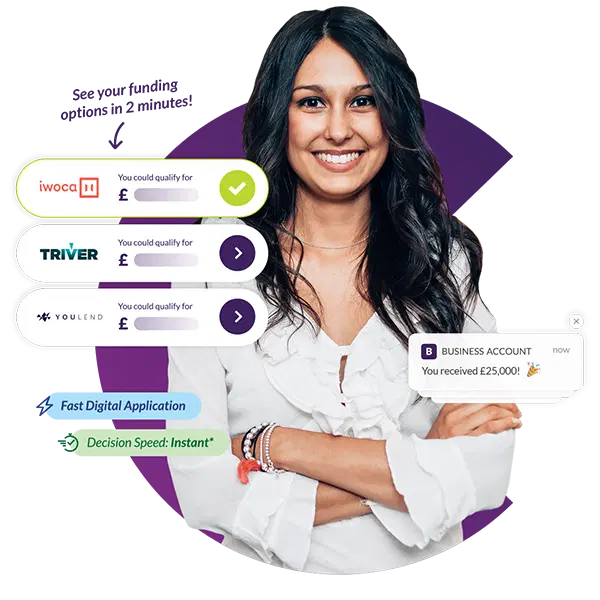
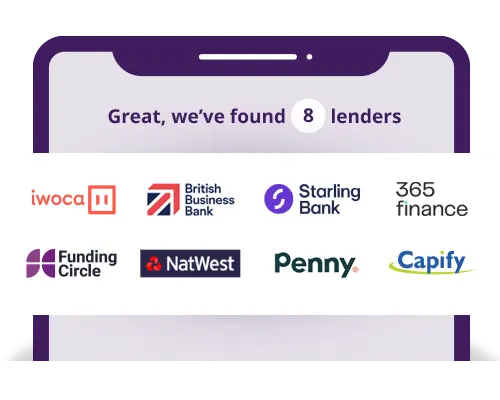
Running an education business is all-consuming, so you shouldn’t have to waste your time chasing quotes from different lenders. Our free business comparison tool helps you effortlessly find and compare eligible finance options from our panel of trusted UK lenders.
You can compare quotes in the same place and pick the one that suits your business needs best.
Here’s what you get when you apply through our platform:
- One application, access multiple lenders. Share what it is you’re looking for once, and we’ll match you with eligible lenders, whether you’re a solo tutor or a training provider.
- Getting a quote won’t affect your credit score. To check your eligibility, we only carry out a soft credit check, so it won’t affect your credit rating.
- Funding from £1,000 to £2 million+. Whether you’re just starting out or your business is established, we work with lenders who can help you at any stage of business.
- There’s no obligation to accept an offer. You can just browse through your options without proceeding with a loan application.
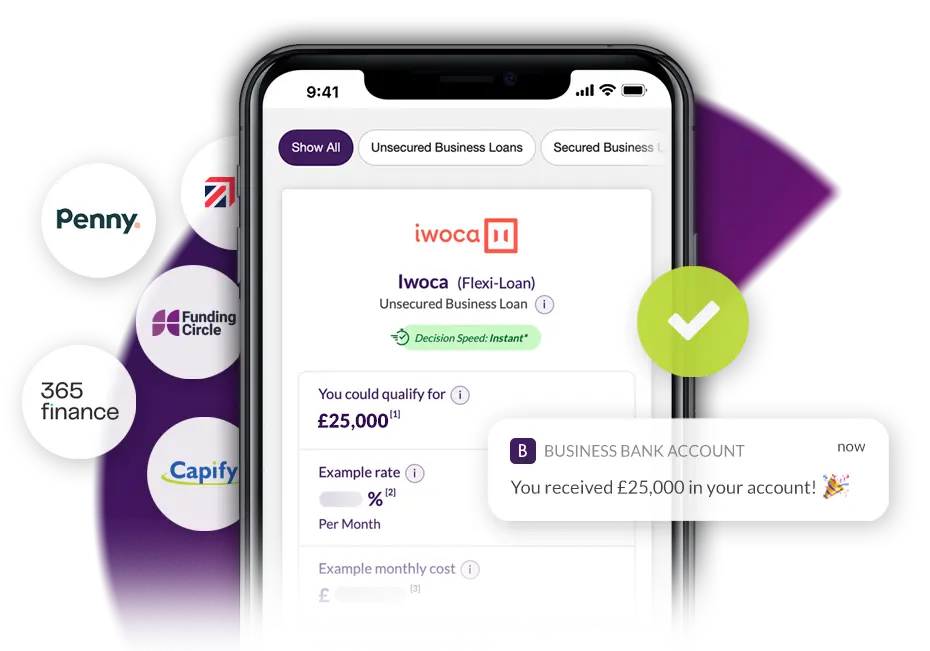
- Quick funding decisions. Many lenders approve applications in minutes, with funds available a few hours after approval.
Ready to compare eligible funding for your education business? Compare education business loans today.
About the author


Adrian T
5/5
Amazingly fast, efficient service, minimal paperwork. So much faster than my business bank of twelve years.


 FAQs
FAQs 0330 223 5036