Micro Business Loans
If your small business needs finance, you could apply for a business micro loan. Apply for between £1,000 and £50,000 through our trusted UK lenders. Start comparing micro business loans and apply today.
- Compare a wide range of lenders and rates
- Check your eligibility in minutes
- Find out how much you could borrow
It's fast, free and won't affect your credit score





- What is a micro business loan?
- How does a micro business loan work?
- How to get a micro business loan
- Micro loans for small businesses with bad credit
- Micro lenders for small businesses
- Micro loans for business
- How Capalona simplifies micro business loan comparison
Checking won’t affect your credit score
What is a micro business loan?
A micro business loan is a small loan designed to give your business a small cash injection to fund more modest business expenses, like stocking up your inventory, hiring seasonal staff, or running marketing campaigns. So, if you’re looking for heavy financial investment (i.e. you want to open a brand new store), you might want to consider alternative business finance options.
How does a micro business loan work?
Micro business loans offer small businesses a flexible funding alternative to traditional business loans. And as they’re usually under £50,000, you can get loan approval in a short amount of time, which means you can access the cash quickly.
- Smaller loan amounts. Typically under £50,000, these loans can be great to boost your small business's cash flow or fund an inventory restock, for example.
- Lenders design them for small businesses. A microloan can be a great option for freelancers, entrepreneurs, and small businesses.
- Interest rates can be high. Although a microloan is lower risk for a lender than a larger loan, they still come with higher interest rates than other traditional forms of finance. They’re only short-term loans, though, so you won’t have debt stretched out for years.
- Fast application process. As these loans are smaller, lenders won’t necessarily require collateral, so the process is much quicker.
- Monthly repayments. You’re typically given the loan as a lump sum, which you then repay in fixed monthly instalments. Fixed instalments can help you better plan your cash flow.
Checking won’t affect your credit score
How to get a micro business loan
Getting a micro business loan is relatively quick and easy, particularly compared to traditional business finance. Here are some tips to help you before applying:
1. Check you’re eligible
Sounds obvious, but comparing eligible loan products can help you reduce wasting your time planning around a specific product. Most lenders have the following basic criteria:
- Your business is registered in the UK (as a sole trader, LLP, or limited company)
- You have a UK bank account
- You’re over the age of 18
- You have at least three months of trading history (some lenders do accept micro loans for startup businesses)
2. Understand your creditworthiness
Lenders might assess both your personal and business credit scores, so it’s a good idea to check your credit position for both. There are plenty of things you can do to improve your credit score, but there are also bad credit loan options if you can’t.
3. Get your documents ready
Although applying for a micro loan means less paperwork than traditional business finance, the lender will still need some key documents:
- Recent bank statements
- Proof of business registration
- Details of existing debts
- Bank account details
- ID documents
Preparing these documents before you apply can help speed up your application and approval process.
4. Compare your options
Before you apply for a micro business loan, you need to compare what’s out there. Comparing helps you find products you might not have realised existed, and it helps you compare the cost of different loans to help you make an informed decision when borrowing.
Micro loans for small businesses with bad credit
There’s good news — by using alternative finance providers to access a micro loan, you’re not automatically discounted because you have poor credit. Traditional lenders like banks can have pretty inflexible lending criteria, making it difficult for new businesses and businesses with poor credit to access the finance they need to grow.
Alternative lenders consider more than just credit score; they can also look at:
- Recent bank transactions
- Business growth trajectory
- Market conditions
- Time in business
- Current monthly revenue and cash flow
One of the most popular micro loan types for borrowers with bad credit is a secured loan. They have higher approval rates because you’re putting up a high-value asset as collateral. And some lenders can ask for a personal guarantee to lessen the risk of those with poor credit.
So, there are plenty of options to look into.
Checking won’t affect your credit score
Micro lenders for small businesses
Thanks to organisations like challenger banks, alternative finance providers, and peer-to-peer lending platforms, there’s now no need for businesses to solely rely on high street banks for finance.
With plenty of options and various products to choose from, the power lies with the borrower.
What you should look for in a micro lender:
- Interest rates and fees. When comparing your eligible products, look beyond the headline rates. You want to understand all associated fees and charges. These can include arrangement fees and early repayment charges.
- Repayment flexibility. It depends on what’s important to you; some lenders offer loan repayment structures that ebb and flow with your business cash flow, which can be useful for seasonal businesses. Or some lenders won’t charge penalties for early repayment.
- Quick fund transfer. If you need cash quickly, prioritise lenders who transfer funds quickly (within 24-48 hours).
- Transparency. Lenders who aren’t transparent about costs aren’t worth your time. You need to find a lender that is upfront about all rates, their terms, and eligibility criteria. Without this knowledge, you can’t make an informed decision.
Micro loans for business
Microloans come in various forms; each type can help you meet different financial circumstances. Taking time to understand what’s available can help you find the right one for you.
Unsecured micro loans
Unsecured loans don’t require collateral. So your assets are safe. But in lieu of no collateral, the lender will charge higher interest rates and grant you access to lower loan amounts. Lenders might ask you to sign a personal guarantee.
Secured micro loans
If you want to access better loan rates, you could consider a secured small business loan. Secured loans mean risking a high-value asset like property, vehicles, or equipment, which the lender can seize and sell to get their money back, should you default on repayments.
Merchant cash advances
A merchant cash advance is a type of revenue-based finance and allows you to repay the loan as a percentage of your card sales. If your income fluctuates, it means you’re not facing fixed repayments during your quieter periods.
Invoice finance
Even one late invoice payment can send your small business into chaos. But with invoice finance, you can unlock up to 95% of the unpaid invoice amount almost immediately. This not only helps you rebalance your cash flow, but you also access funds without taking on traditional debt.
Business line of credit
Being able to draw down what you need when you need it can be a very flexible financing option for small businesses. Instead of dipping into your limited cash reserves, draw down funds through a line of credit and only pay interest on what you spend. This can help you closely control debt.
How Capalona simplifies micro business loan comparison
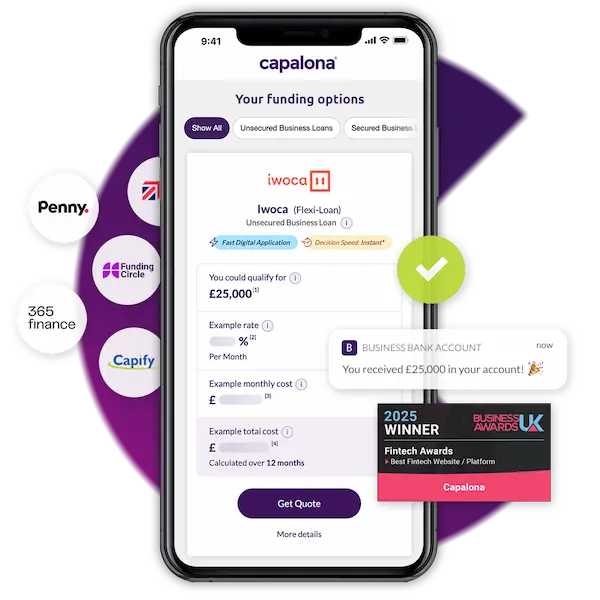
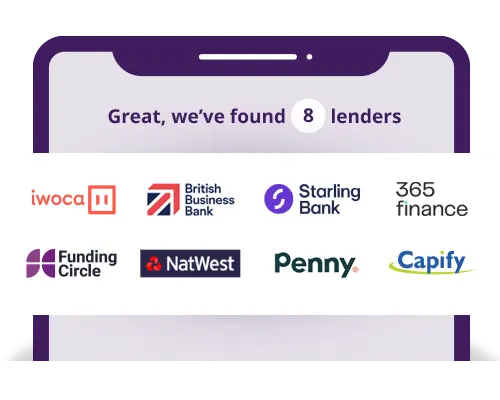
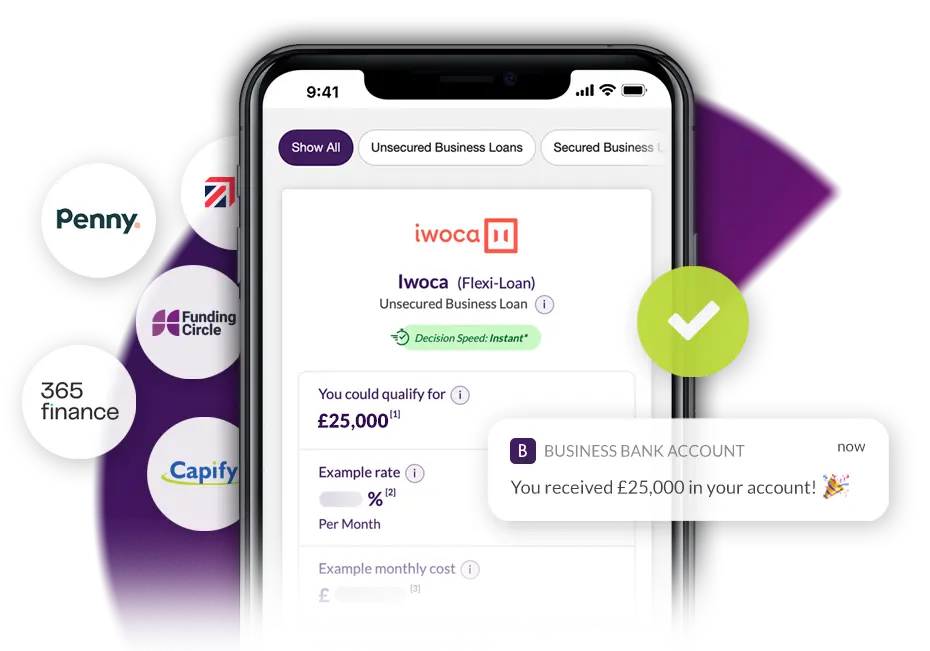
Instead of wasting your time flitting from one lender website to another, you can compare business loans in seconds through our free business loan comparison tool. The tool is easy to use, there’s no obligation to accept any quote, and it won’t affect your credit score.
Our panel includes both emerging and established UK lenders, all helping improve funding accessibility for all kinds of businesses.
The tool is self-serve, so you can compare loan rates and terms in your own time.
About the author

Adrian T
5/5
Amazingly fast, efficient service, minimal paperwork. So much faster than my business bank of twelve years.


 FAQs
FAQs 0330 223 5036