Inventory Finance
If you are a retailer looking to buy inventory in bulk (and take advantage of cost savings) or you are a manufacturer looking to purchase materials and goods, then inventory finance could be for you.
- Compare a wide range of lenders and rates
- Check your eligibility in minutes
- Find out how much you could borrow
It's fast, free and won't affect your credit score








What is inventory finance?
Inventory finance, also known as warehouse finance or stock finance, is an asset-based finance specifically designed for retailers, wholesalers and manufacturers. Businesses can apply for inventory finance to bulk-buy stock to cover upcoming busy periods, pay warehouse storage fees, or simply free up cash in their inventory.
Inventory finance keeps your business flexible to consumer demands, allowing you to stock up on trending products or invest in new product lines to grow your business quickly.
How does inventory finance work?
Inventory financing is a type of short-term finance that is usually repaid between 12 months and a few years. The lender assesses the value of the inventory you’re offering up as security and lends you a percentage of the full value. Then, if you fail to repay the loan, the lender seizes the inventory and sells it themselves to recoup their investment.
You will usually repay the financing in fixed monthly instalments, with interest, over the pre-agreed repayment period.
Am I eligible for stock finance?
Different lenders have different eligibility requirements for stock finance, but usually, if you meet the below criteria, you could consider applying:
- Your business is UK-registered
- Your business has been trading for at least three months
- Must have inventory to secure the finance
As you need proof of trading history for inventory finance, it’s not always possible for new businesses to apply for this type of financing. But don’t worry if you don’t qualify for inventory/stock finance, we have plenty of other loan types suitable for all business types.

Advantages of inventory finance
- Frees up cash tied up in inventory. Your inventory is a valuable asset to your business, so instead of it sitting around waiting to be sold, you can use it as collateral to release equity and reinvest in your business.
- Take advantage of bulk buy discounts. Many suppliers offer discounts the more you purchase, so you can save some money and buy in bulk.
- Have enough stock for busy periods. Let’s say Christmas is approaching, and you know which products are going to be best sellers. You can purchase inventory in bulk and keep customers happy, ensuring a consistent stock supply.
- Alternative funding for varied credit profiles. If you don’t qualify for traditional loans, this could be an alternative funding option. That’s because the facility is secured primarily by the value of the stock rather than by credit history.
Disadvantages of inventory finance
- Your outgoings increase. When you take on any business debt, you’re cutting your profit margin further, and you have another outgoing to remember to pay on time.
- There’s a chance you'll buy too much stock. If you overbuy and you can’t shift the stock, your profits will take a hit. It can be tempting to stock up on many different items when you access the funds, but always be careful to manage the risk of oversupply.
- Lenders usually give you only a percentage of the asset value. This means you might not be able to cover the full cost of the inventory you want to purchase, which means you will have to dip into your company's cash reserves.
Alternatives to inventory finance
If financing stock isn’t the most suitable business financing option for you, there are plenty of alternative financing options available through our lenders:
Working capital loan. A working capital loan can give you the funds you need to reinvest in your business without risking an asset.
Business credit card. With a business credit card, you can take advantage of interest-free purchasing periods, cashback and other business rewards while accessing funds as and when needed. Only pay interest on the funds you use and repay the credit used monthly to keep interest fees to a minimum.
Invoice financing. Use invoice finance to sell one or multiple invoices to the lender in exchange for up to 95% of the unpaid invoice value upfront. This gives you an immediate cash flow, almost like an advance on your invoice payment.
Merchant cash advance. If you’re a retailer accepting credit and debit card payments from customers, you might be eligible for a merchant cash advance against your future sales.
Retail business loan. As a retailer, remaining competitive is vital to business success, a small business loan designed for retailers can help you pay staff wages, buy fixtures and fittings and more.
How Capalona can help
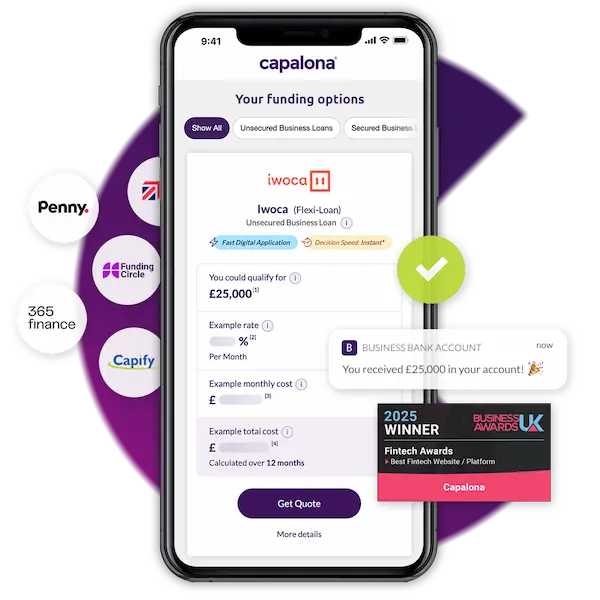
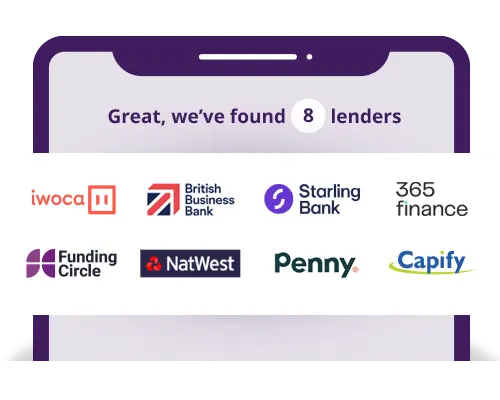
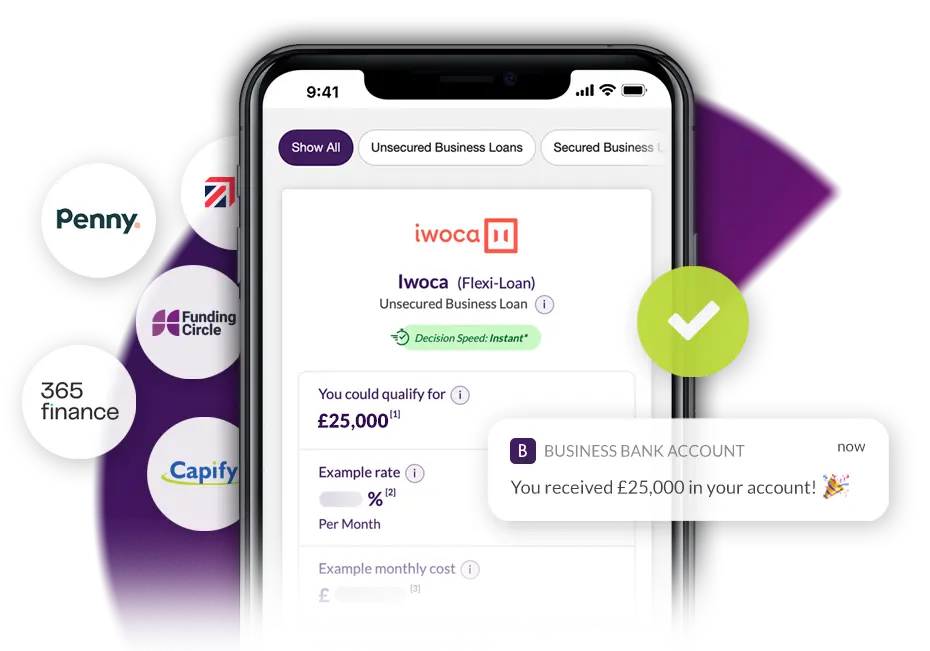
Our free loan comparison platform is a quick and easy way to find suitable and competitive e-commerce inventory finance lenders. The self-serve platform is simple to use; just select the reason for the loan, how much you want to borrow and a few more details, and we'll match you instantly with relevant lenders.
Expand loan details to learn more, and click through to continue your application with the lender.
Getting a stock finance quote is 100% free, and you are not obligated to proceed with any loan offer. Get a free quote today.
Inventory finance FAQs
Yes, usually. Lenders will register a charge against the inventory used as security. So always check the lender’s specific requirements before you apply.
How much you pay depends on the lender, your business profile, and the loan amount. You usually repay inventory finance in fixed monthly instalments with interest over a pre-agreed period. Find the most competitive rates by comparing lenders with our free comparison tool.
Lenders use the loan term, the value of your inventory, and your creditworthiness to calculate your interest rate. That’s why it’s important to compare lenders side-by-side to clearly understand the total cost of borrowing.
If you’re a wholesaler, retailer, or manufacturer, then yes, inventory financing is worth it. It frees up cash tied up in stock and lets you bulk buy to take advantage of discounts. You can tap into new product lines and keep up the pace with demand, all without depleting your cash reserves.
In inventory financing, you use your stock as an asset to access funds. This means you can take advantage of buying opportunities, stock up for busy periods, and keep business operations running smoothly without negatively impacting cash flow.
It’s typically used by those in the manufacturing, wholesale and retail spaces. Basically, any business that holds physical stock could benefit from this type of finance.
About the author





Adrian T
5/5
Amazingly fast, efficient service, minimal paperwork. So much faster than my business bank of twelve years.


 FAQs
FAQs 0330 223 5036