Business Loans for UK Haulage Companies
Keep your fleet moving and your cash flow steady with HGV finance. Learn more about your finance options and get a quote today.
- Funding from £1,000 to £10 million
- Decisions in as little as 1 hour
- Compare funding options from trusted lenders
- Check your eligibility in minutes
It's fast, free and won't affect your credit score

Trusted by Hundreds of Business Owners









The UK haulage and logistics sector is the backbone of the national economy. Moving goods from ports to warehouses and supermarkets needs coordination and a significant amount of working capital.
What kind of expenses do you pay for? You have to factor in things like fuel price fluctuations, vehicle maintenance, and compliance rules. And without readily available funds, it becomes difficult to keep your commercial trucks on the road.
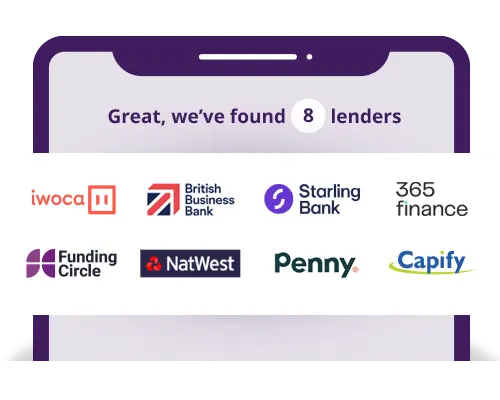
At Capalona, we help UK hauliers find the flexible funding they need to grow. Our free business loan comparison tool matches you with eligible lenders and loan products without affecting your credit score.
The state of the UK haulage industry
Starting a transport business in the UK is highly demanding, and recent economic shifts mean logistics providers need to adapt quickly to survive. As operating costs continue to rise, it becomes challenging to plan finances strategically.
And the competition is fierce; there are 58,262 active road freight enterprises operating across the UK, which impacts pricing and profitability across the sector.
Industry statistics, and what they mean for your business
| Industry stat | Operational impact |
|---|---|
| 89% of UK freight is moved by road | High demand, but intense daily wear and tear on your fleets |
| £13.5 billion economic contribution | A crucial sector that UK alternative lenders view with long-term confidence |
| Roughly 2% average profit margins | Tight operational margins mean you need proactive cash management |
| 620,000+ HGVs in Great Britain | Demand is ongoing for fleet upgrades, retrofitting, and regular maintenance |
Sources: Road Haulage Association and RHA Spending Review 2025
Choosing the right HGV finance
As a logistics company, purchasing or leasing your vehicle fleet will be the largest capital expense you’ll face. Buying a specialised trailer, articulated HGV, rigid lorry, or LCV, will severely deplete your cash reserve.
Applying for specialised HGV finance means you can spread these high costs over a manageable period of time. Asset-backed lending helps you acquire the machinery you need right now, rather than waiting until you can pay for it outright.
There are several financing structures you can consider for your logistics business:
Hire Purchase (HP)
If you eventually want to own your vehicles outright, then Hire Purchase is a good option. You usually part with a down payment, which covers the asset’s full VAT amount. Then you make fixed monthly payments over a pre-agreed term.
After your final payment, you’ll own the HGV completely. HP, which is a type of asset finance, helps you build business equity in your fleet, so it’s a good option for trucks that hold their value over time.
Finance Leasing
With leasing, you make fixed monthly payments to use the asset over its useful operational lifespan. This means you’ll never own the asset outright, but when the lease ends, you can either extend the agreement or sell it. You’ll receive a share of the sale proceeds, and you can enter into a new lease for a more modern vehicle.
Unsecured and secured small business loans
If you have a lesser need for assets and instead want to invest in marketing campaigns, hire qualified Class 1 drivers, or relocate your premises, you can consider a small business loan.
If you need fast finance, funds from an unsecured loan can be in your account in just 24-48 hours. You don’t need to offer up collateral, which makes the application process much quicker.
If you wanted to apply for large loan amounts for your premises relocation, or you wanted longer repayment terms and more favourable interest rates, then a secured loan could be the best choice. You need to secure the loan with a commercial asset: property, equipment, or vehicles.

How to access cash tied up in your logistics business
If you own physical trucks, other high-value assets or have unpaid customer invoices, you can unlock their value to boost cash flow.
Release equity through asset refinancing
If you own your fleet or equipment, such as forklift or recovery trucks, outright, you can sell them and then lease them back through your lender; this is called asset refinancing. This means you can keep operations running smoothly while raising large sums of cash immediately.
Use this money to purchase fuel, fund a new contract, or pay off a larger existing debt.
Bridge cash flow gaps with invoice finance
If customers are slow to pay their invoices, or your invoice terms are lengthy, use invoice finance to unlock cash tied up in them. This type of financing enables you to pay all your suppliers and operating costs, even if customers haven’t settled their invoices yet. That means no cash flow bottlenecks and no financial stress.
Sell the invoice to the lender, and they’ll advance you up to 95% of the unpaid invoice value. Then, your customer pays the invoice, and the lender releases the remaining balance to you, less their fees.
What do lenders look for?
All lenders care about is whether you can comfortably make loan repayments. And although lender criteria will vary, here are the basic eligibility requirements for most business loans:
- Trading history. Many lenders look for a trading history of at least three months. There are startup loan options available, too
- UK-registered business. Your logistics company must be registered in the UK, and can be a limited company, a limited liability partnership, or a sole tradership
- Proof of income. Lenders will want to see roughly 3-6 months of business bank statements to prove stable cash flow
- Customer’s creditworthiness. For invoice finance, the lender will need to check that your customers are creditworthy
- Might need a personal guarantee. With unsecured loans, lenders might require a director to sign a personal guarantee to lessen the risk of lending
How to compare business loans using Capalona
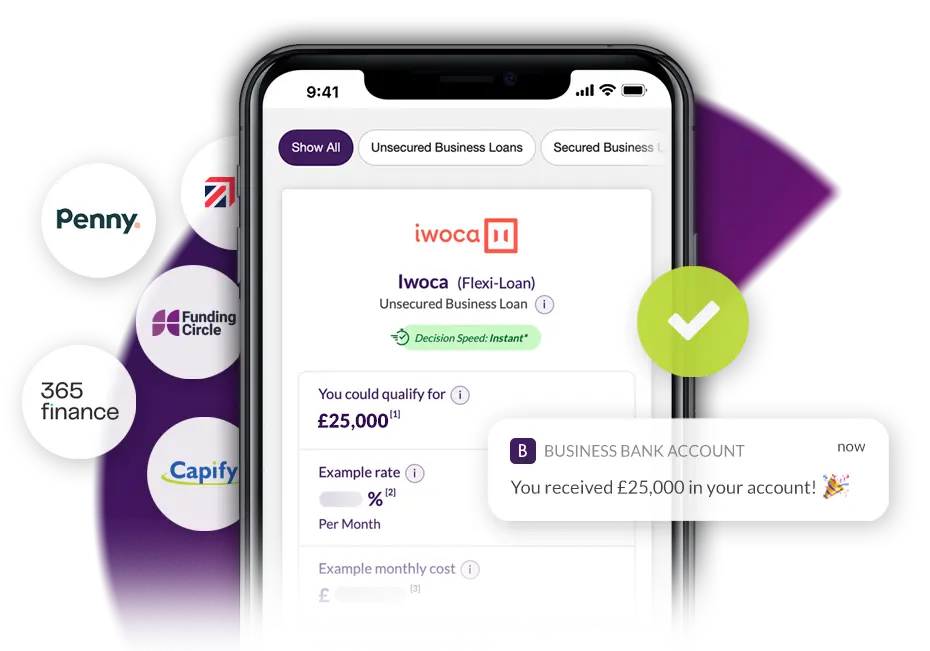
Our free loan comparison tool makes it easy for you to find and compare haulage finance options in the same place.
- Share what you’re looking for, i.e. amount and reason for lending, along with a few business details
- Compare eligible lenders and loan products, including the total amount repayable and interest rates
- Complete your loan application directly with the lender
We match you to our panel of UK alternative lenders for free, with no obligation to proceed with any quote. Getting a quote won’t affect your credit score.
Compare haulage business loans.
HGV finance FAQs
Yes, you can still get finance if you have bad credit. Asset finance, refinancing, or invoice finance are secured against an asset, i.e. your fleet, or, in the case of invoice finance, your invoice. That means the lender is less concerned about your credit score. If you apply for an unsecured small business loan, the lender might ask you to sign a personal guarantee to lower their risk.
How long it takes depends on the type of finance you apply for. An unsecured loan can take between 24 and 48 hours, but asset refinancing products can take a few days to a few weeks.
Yes, most asset finance lenders are happy to fund any second-hand HGVs as long as they’re in good working condition and bought from a reputable dealer. To determine the loan term, the lender will look at the commercial truck’s age and mileage.
About the author






Adrian T
5/5
Amazingly fast, efficient service, minimal paperwork. So much faster than my business bank of twelve years.


 FAQs
FAQs 0330 223 5036