
When looking for a business loan, you might notice different fees and charges. One of the most common is an arrangement fee. This blog explores what an arrangement fee is, why lenders charge it, and more.
Key Takeaways
- Arrangement fees are upfront charges that lenders apply for setting up and processing your business loan. These fees typically range from 0.5% to 2% of the total loan amount.
- Just like the loan and its interest, lender arrangement fees are usually also exempt from VAT.
- Arrangement fees can be tax-deductible when paid as part of your loan repayments, but upfront fees paid separately aren’t usually deductible.
What are loan arrangement fees?
Arrangement fees are basically an admin charge paid before you get your hands on the business loan. It’s a one-off payment, usually between 0.5% and 2% of the loan amount, that covers the work involved on the lender’s end in processing your application, assessing your creditworthiness, and arranging your finance. It also covers costs associated with specific types of finance, like carrying out valuations for asset finance.
Loan arrangement fee example
Let’s say your arrangement fee is 1% of your total loan amount, and you borrow £50,000. You can roughly expect to pay £500 upfront. That’s why it’s essential that you understand how much you can comfortably repay, including any charges or fees, before applying for a loan.
How to pay arrangement fees
You usually have three ways of paying your arrangement fee; the most straightforward one is to pay it upfront from your own funds. This does mean you’ll need the cash available to pay it, but it will reduce the amount of interest you pay.
Your other two options are:
- Deduct it from the loan amount. The lender can remove the fee from the loan amount before sending you the loan funds.
- Or, some lenders will let you add the fee to the loan. This means you’ll pay more interest over the loan because your loan is larger, i.e. £50,000 plus the £500 arrangement fee. This can be a useful option if you’re struggling with cash flow issues.

VAT on loan arrangement fees
Arrangement fees are typically exempt from VAT. This is because the arrangement fee forms part of a VAT-exempt financial service under UK tax law, which covers loan fees that continue to completion. So you won’t need to pay 20% VAT on top of your fee.
Are loan arrangement fees tax-deductible?
Arrangement fees being tax-deductible depends on whether you pay upfront or choose to add the fee to your loan balance. If you pay it yourself, you can’t generally deduct tax from it by claiming it as a business expense. But, if you choose to add the fee to the loan balance, you pay interest as part of your loan repayments, so that portion would be tax-deductible (just like the interest on the rest of your loan).
So it’s really up to you whether you think it’s worth paying upfront and saving interest over the loan term, or saving your cash and adding it to your loan and deducting tax from the interest payments.
Factors influencing arrangement fees
Not every borrower pays the same arrangement fee; there are several factors that influence what the arrangement fee will be:
- Your risk profile. The higher the risk, the higher the arrangement fee. But if you’ve got a good credit profile, you’ll receive a lower arrangement fee, and you can sometimes negotiate with the lender to lower it further.
- The type of finance you apply for. If the type of loan you apply for requires extra due diligence and monitoring, like bridging finance or property development finance, you can expect higher arrangement fees.
- The loan amount. The higher the loan, the higher the fees, usually. But, because of economies of scale, they may be lower.
- Market competition or relationship. If you’re taking multiple products, the lender might waive the fee. They might also waive it to win customers if the market is particularly tough.
Understanding arrangement fees puts you in a stronger position
When applying for business finance, it’s important to compare lenders and their fees to make sure you’re choosing the right business loan for your needs and financial situation.
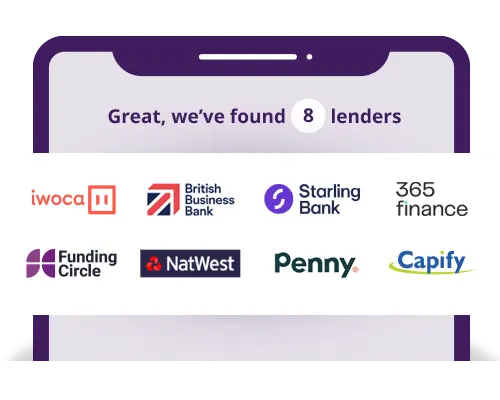
Don’t just compare the loan amount and interest rate; always look at the bigger picture, including all fees. We help you find and compare UK lenders instantly through our self-serve platform. Share what you’re looking to borrow and a few other details, and start comparing eligible loan products, fees, interest rates, and total repayable today.







 FAQs
FAQs 0330 223 5036