

Starting a business in the UK means juggling many priorities, and knowing the legal requirements for starting a business is one of them. From employment law to tax compliance, if you don’t know your obligations, you can get into serious problems—think lawsuits, fines, and penalties.
Below, we cover six key legal areas every small business owner should think about, along with who to contact for advice, plus free legal resources for start-ups at the end of this guide.
Key Takeaways
- Starting a business involves several legal areas you should think about, including employment law, data protection, business insurance, intellectual property, tax compliance, and contracts.
- You don't have to navigate every legal issue alone. Knowing when to consult an expert can help you avoid costly fines and disputes.
- Free legal resources are widely available for UK start-ups and small businesses, which means getting good advice doesn't have to come at a high cost.
6 reasons you might use legal advice for your small business
In the early stages of running your business, you have to deal with a lot of competing priorities. But a priority you can’t dismiss is finding the right legal advice for your small business. If you don’t have the correct policies in place or you don’t have the insurance to protect your business, you can find yourself facing extortionate legal fees or fines that can ultimately become the downfall of your business.
Employment law
If you employ staff (or are thinking of hiring), you must comply with certain employment laws and regulations, including the Employment Rights Act 1996, which covers aspects like contracts, redundancy, and minimum employee entitlements, such as minimum wage.
Employing staff means you need to create contracts, policies, and much more. So, to ensure you’re not caught out by claims or fines, take the time to understand what you need to do.
Who to contact: An employment law solicitor is clued up on every aspect of employment law, so if you have specific questions, you're best directing them towards someone in this field.
Data protection and privacy
Consumers are savvy about protecting their data, particularly since the introduction of GDPR in 2018. You need to ensure that all consumer data is well protected; otherwise, the fines (not to mention the damage to your reputation) can be pretty hefty.
The UK’s maximum fine for companies that fail to comply with UK GDPR regulations is £17.5 million or 4% of annual global turnover, whichever is highest.
Who to contact: If you're not sure how best to protect your data, speak with someone who has experience implementing robust security measures, like a data protection specialist. Use them to educate staff on GDPR best practices, too, so everyone is aware of how to protect data.
Business insurance
If your business isn’t correctly insured, you run the risk of substantial legal fees should your company make an error, give bad advice, a member of the public hurt themselves on your property, or you be the victim of cybercrime.
If you employ staff, you are legally obliged to take out employer’s liability insurance. Additional insurance to protect customers, brand credibility, and legal defence costs gives you peace of mind that you’re covered no matter what happens.
Who to contact: Business insurance providers or insurance comparison platforms can provide you with advice on which insurance best suits your business type, whether that's through their resource hubs or by speaking directly to an advisor.

Intellectual property
Intellectual property is a valuable business asset that includes copyrights (books, computer software, digital photography), patents, and trademarks.
You'll want to make sure you protect your intellectual property (IP). Not only does this mean no one can copy your ideas, but IP can also be used as collateral to secure business loans.
Who to contact: a specialist intellectual property lawyer, either independent or part of a law firm, is best placed to help you register your trademarks, draft NDAs (non-disclosure agreements), and more.
Tax compliance
As a business, you're expected to comply with certain tax regulations, such as registering for VAT, accurately reporting on business income, filing annual tax returns, etc. If you're operating as a sole trader, you'll also need to register for self-assessment and file an annual tax return with HMRC.
If you don't comply with relevant tax regulations for your business, you can receive fines and penalties from HMRC.
Who to contact: Consider hiring an accountant to ensure you remain tax-compliant each year. Aside from filing your tax returns, they can ensure you're as tax-efficient as possible, saving you money where they can.
Contract law
If you’re entering into a contract with suppliers and other vendors, it’s a good idea to seek legal assistance with the entire process. This will ensure your contracts are legally enforceable and protect your company’s best interests.
Who to contact: A contract lawyer can help you draft business contracts, highlight any risks or liabilities in the contract, negotiate contract terms, and ultimately create a contract that reduces risk and ambiguity for all parties.
Free legal advice for business owners
The good news is that you don’t have to muddle through all this on your own. There's plenty of free legal advice for startups available online, from government guidance to pro bono legal services
If you're looking for more legal advice for business startups, there are plenty of free legal resources. Here are 6 free legal resources to check out.
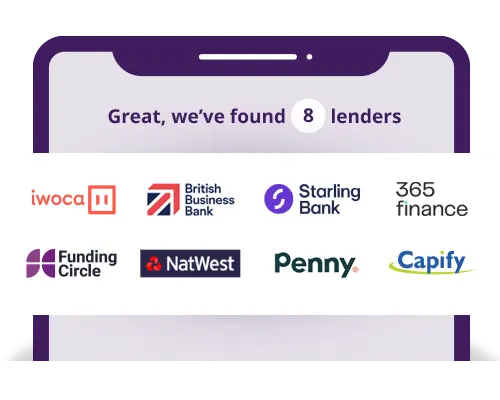
Hoping to grow your business this year? Applying for a business loan can help you achieve your business goals faster. Get your free quote today and see which loans you’re eligible for.






 FAQs
FAQs 0330 223 5036