
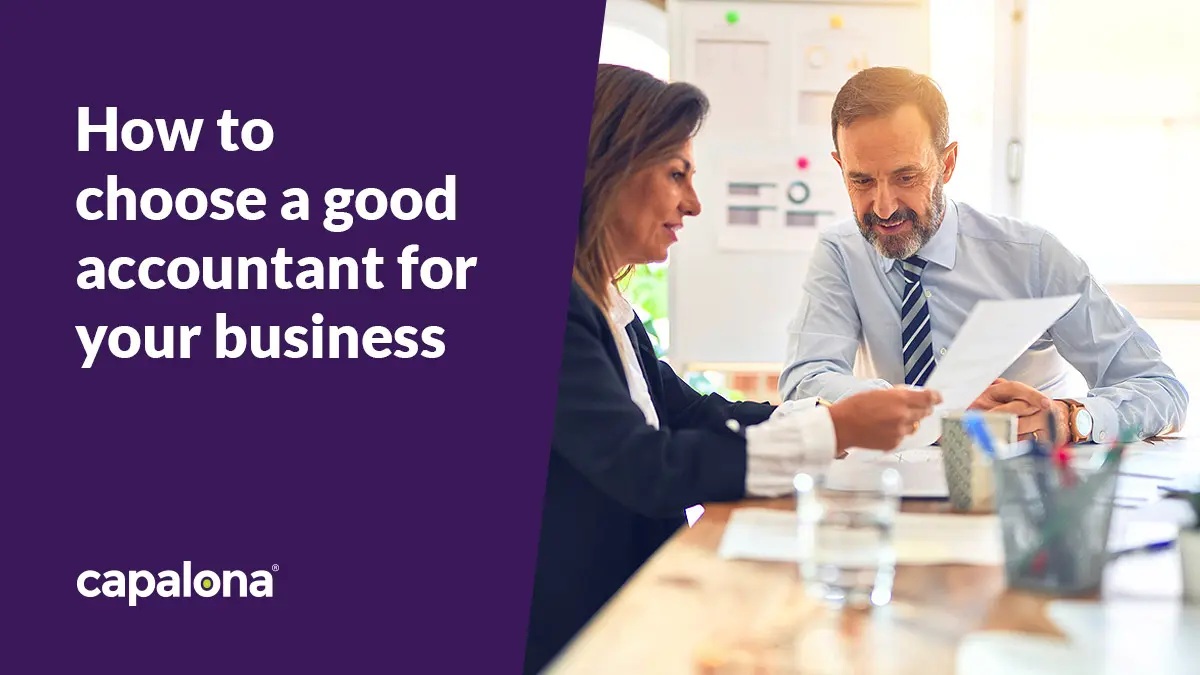
If handling your own taxes makes you nervous or you simply don’t have the inclination or the time to do them yourself, you might want to consider hiring an accountant.
Finding the right one is important; they keep you HMRC-compliant, they can answer all your complicated tax questions, and they can ultimately help you make smarter financial decisions (leaving you free to focus on running your business!).
After a quick search, you’ve probably been faced with so many accountants in your local area, from solo practitioners to larger firms. But what should you be looking for?
This blog shares all the things you should consider when choosing an accountant.
Key Takeaways
- Not every accountant is qualified. You don’t have to have any qualifications to call yourself an accountant. So check if they’re members of a professional body to ensure they’re qualified.
- Map out what you need before starting your search. Do you need VAT returns and payroll, or cash flow forecasting? Understanding your requirements will make it easier to compare accountants.
- Communication with your accountant matters. You want to get the latest tax updates, and you need answers to important questions, which means you need an accountant who prioritises good communication.
Do you actually need an accountant?
If you’re a sole trader with simple finances, you might be able to manage it alone in the early days. But as your business grows, so does accounting complexity, from VAT and payroll to corporation tax and Making Tax Digital compliance. There can be a lot to get your head around.
Small business owners spend an average of 12 hours per month on tax admin, which is time you could spend growing your business instead. So if you’re currently shouldering that tax admin burden, it might be time to bring a professional on board.
What does a business accountant actually do?
Firstly, it’s easy to confuse bookkeeping and accounting. Here’s a quick distinction. An accountant offers broader services, including strategic financial guidance and statutory filings, whereas a bookkeeper typically handles the daily recording of financial transactions.
An accountant can help you with all of this:
- Self-assessment and corporation tax returns
- VAT registration and quarterly returns
- Year-end accounts and Companies House filings
- Payroll, PAYE, and auto-enrolment
- Making Tax Digital (MTD) compliance
- Cash flow forecasting and business planning
- Advice on business structure (i.e. should you operate as a sole trader or limited company)
It’s important to note that not all accountants offer the services listed above. So hone in on what you’re looking for from an accountant, and then you’ll find it easier to compare your options.
How to find an accountant for your business
Ask for recommendations first
When facing so many options, it makes sense to ask people you respect and trust for their recommendations, particularly if they’re in the same industry as you.
Search professional body directories
Reputable UK accountants are registered with recognised professional bodies. Here are three to check out:
- ICAEW. Institute of Chartered Accountants in England and Wales
- ACCA. Association of Chartered Certified Accountants
- CIMA. Chartered Institute of Management Accountants
Consider an online accountant
You don’t necessarily need to find a local accountant. Cloud-based software like QuickBooks or Xero makes it easy for you to share real-time financial data with your accountant, wherever they’re based.

How to choose the right accountant for your business
Now you’ve got your shortlist, how do you choose the best accountant?
Check their qualifications
This should be the first step. Although there’s no legal requirement to hold a professional qualification, you need to find a qualified accountant; if they’re not, their knowledge might not be up-to-date, and they won’t be accountable to a professional body if they give incorrect advice or something goes wrong.
Look for relevant sector experience
An accountant who has experience managing the accounts for similar sectors can mean they have specialist knowledge, which can help your business grow. Similarly, if you’re a limited company, you need an accountant experienced with Companies House filing and corporation tax.
Make sure they use the right software
Most modern accountants use cloud-based software, but if you already use a particular software, let’s say Xero, then you might want to find an accountant who is also familiar with Xero. If they’re familiar with the software, it makes it easy to share data and keeps everything in one place.
Also, check that your chosen accountant is set up to meet the Making Tax Digital (MTD) requirements, as more changes are coming for April 2027 for the self-employed and landlords earning £30,000+, and from April 2028, the MTD threshold will fall again to £20,000+.
Understand their fees
The cost of an accountant varies depending on your business size and the services you need. Small businesses can pay between £300 and £400 per month for full accounting support.
If you’re a sole trader, you can expect to pay around £100 each month, and if you’re a more established limited company, you can expect to pay more because you have additional compliance requirements.
You need good communication
When choosing an account for a small business, it can feel like you’re not a priority customer, particularly when working with a large accounting firm. You want to work alongside an accountant who has time to respond to your emails, take your phone calls, and welcome any questions you have. You need an accountant who will communicate tax deadlines or any important tax changes that are relevant to your business.
Five questions to ask your accountant before you hire them
Take advantage of any free initial consultations or meetings with any accountant you’re considering. Here are some questions you could raise with them:
- Are you registered with a recognised professional body?
- Have you worked with businesses in my sector before?
- What services are included in your fees, and what costs extra?
- Which accounting software do you use?
- Are you set up for Making Tax Digital?
Four red flags to watch out for
Here are a few warning signs to bear in mind:
- They’re not a member of a professional body. Anyone can call themselves an accountant, so make sure they’re properly trained and qualified.
- Vague answers about pricing. You need to know how much a service is going to cost; anything vague here could suggest there are hidden fees that can come from nowhere.
- Slow comms from day one. If you’re struggling to get a response from them and you haven’t even started working together, that could be a sign of things to come.
- Not set up for MTD. You need a forward-thinking accountant who is ready for changes on the horizon to ensure you’re always compliant.
Over 1 million UK taxpayers missed the self-assessment deadline in January 2025, meaning they all faced a £100 penalty. If you work with the right accountant, you should be able to avoid all fines and penalties, so it’s worth taking your time to find the right accountant.
Looking for business funding in 2026? Let us help you effortlessly find and compare small business loans. Our tool is 100% free, just share some details, and we’ll match you with eligible lenders. Getting a quote doesn’t affect your credit score.




 FAQs
FAQs 0330 223 5036