
If you’re applying for a business loan and you want to secure it using an asset, you might wonder what the terms ‘first charge’ and ‘second charge’ mean. They’re very different types of secured loans, with pros and cons to each.
So, whether you want to apply for a secured business loan to access a higher loan amount or favourable interest rates, keep reading to learn more about each type of loan and when you should choose each type.
Key Takeaways
- First charge loans take priority. If you default on your loan repayments, a first charge lender receives their money before anyone else from the sale of your asset. A first charge loan can mean lower business interest rates for you as the borrower.
- Second charge loans sit behind existing borrowing. You secure these loans with assets that already have a first charge. This makes them higher risk for lenders.
- Which option you choose affects cost and flexibility. First charge loans generally offer better rates, but a second charge lets you keep existing favourable finance terms in place while accessing extra funds.
What is a first charge business loan?
A first charge business loan is a secured loan where the lender has a primary claim over your asset, typically commercial property. So, should you become unable to repay your loan for whatever reason, the lender has first right to sell your asset and recover their money before any other secured creditor.
They’re essentially first in the queue. And because of this, there’s less risk to them, which means you can benefit from more competitive interest rates. Most commercial mortgages and business loans secured against property are first charge. When you arrange this finance, the lender registers their interest with Companies House for other assets and the Land Registry for property. The lender is then given legal rights over your asset; this security document is called a legal charge.
Before you can sell the asset, the loan must be repaid. And if you want to borrow more against the same asset, you can either extend the loan with the same lender or consider adding a second charge loan, if the original lender allows it.
What is a second charge business loan?
A second charge business loan is one that’s secured against an asset, but that asset already has a first charge against it. When the lender agrees to a second charge finance arrangement, they know that they aren’t a priority to get their money back should you default on loan repayments.
Let’s say you do default, your first charge lender has to have the full amount of their loan back before the second charge lender gets a penny. This is obviously a higher risk for the second charge lender, and it’s because of this risk that you can expect to pay higher rates.
But there’s a place for these types of loans. If you have a commercial mortgage on a property and the property increases in value. You can’t get to that equity from your original mortgage without paying early repayment charges or losing your existing rate. Applying for a second-charge loan means you can invest in your business without disturbing your original mortgage deal.
Flexible business loans secured as second charges means you can still grow your business, taking advantage of time-sensitive opportunities, i.e. to secure a bulk supplier discount. Opportunities you might not be able to jump on if you’re waiting while the lender refinances your original first charge loan (applying for a second charge loan is much quicker!)
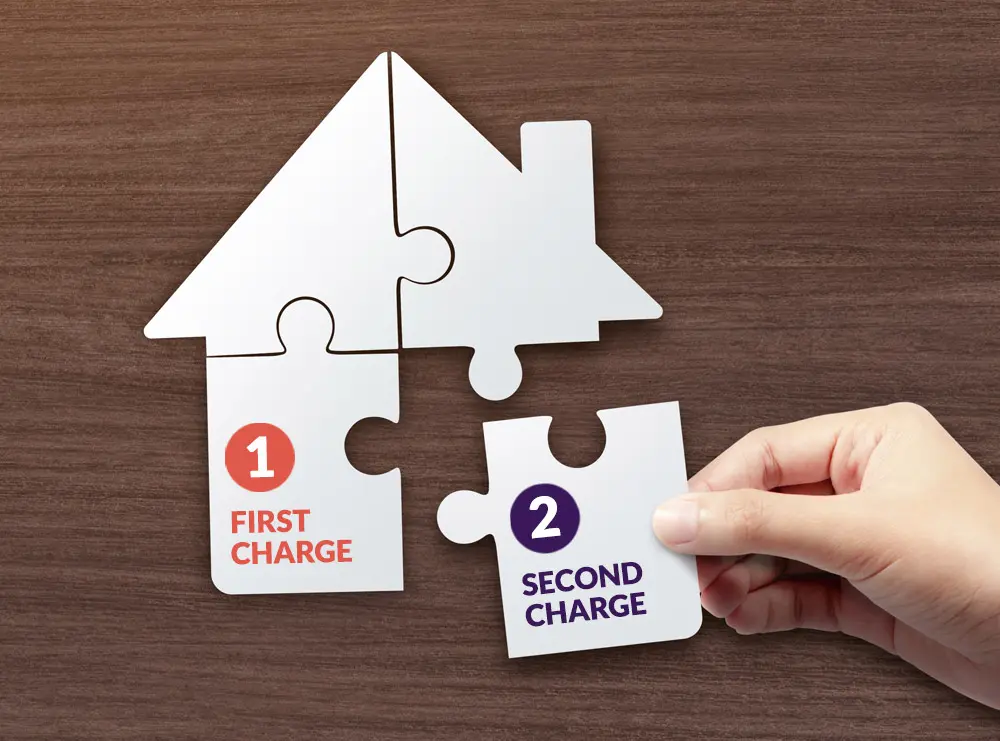
Five main differences between first and second charge loans
Here’s a quick round-up of five ways the two loan types differ:
Priority of repayment
Because the first charge lender’s debt is ‘senior’, i.e. meaning priority, they get repaid first from asset sales. So that means less risk for them. On the other hand, the second charge loan ranks below the first charge, so they only receive funds when the first charge debt is fully satisfied.
Interest rates
As the priority lender, the first charge loan comes with lower interest rates. Which can mean less loan costs overall. Be prepared to pay higher rates if you take out a second charge loan.
But, although the interest rates with a first charge loan are lower, prepare to pay higher upfront costs than with a second charge loan. You need to pay valuation fees, arrangement fees, legal expenses, etc. And remember you’ll pay out interest on both loans at the same time, which can have a significant impact on your cash flow.
Loan-to-value (LTV) ratio
LTV ratios are usually lower with a second charge loan, which is to protect the lender, leaving equity in case property values decrease. So if a property is worth £500,000 with a £300,000 first charge commercial mortgage and you can’t repay it, the first charge lender has a £200,000 buffer. But let’s say you owe a second charge lender £100,000, and they have the same £200,000 buffer covering their full loan, which is an incredible risk for the lender. Particularly as the property market can be so volatile. This uncertainty can mean a significant drop in property value, further reducing or even removing the second charge lender’s security.
Lender consent
If you want to add a second charge on your asset, you must get permission from the first charge lender, as not all lenders will permit additional charges. So, although you want to release equity through a second charge loan, it might not always be possible.
Typical use and loan size
First charge loans fund the property purchase, so that means these loans are significantly larger loan amounts with longer repayment terms. Second charge loans typically run alongside existing first charges, with lower amounts and shorter terms like bridging finance.
When should you choose each type of loan?
If you’re purchasing property, a first charge loan would make the most sense since they offer large loan amounts and longer repayment terms. A first charge loan might also make the most sense if you don’t have existing secured debt or if it’s worth refinancing your current debt at a better rate.
Second charge loans can be useful if you like the existing terms of your first charge loan, and therefore don’t want to disturb it. So, if you need to borrow a smaller amount alongside your existing loan but refinancing your first charge doesn’t make financial sense, i.e. legal fees, early repayment charges, etc., cost too much, then a second charge loan could be perfect for you.
Apply for a second charge business loan to:
- Bridge short-term cash flow gaps
- Purchase equipment or stock up on inventory
- Cover bills while keeping hold of working capital
- Expand your business without disturbing your current commercial mortgage
It’s important to remember that second charge loans are quicker to apply for, too. So if you need to act fast and take advantage of opportunities, a second charge loan is brilliant for helping you do that. Getting a business loan isn’t a decision you should take lightly; always weigh up the costs versus the benefits.
First charge and second charge FAQs
What is a first charge bridging loan?
A first charge bridging loan is a short-term loan where the lender has priority repayment should you default on the loan and the asset be sold. Borrowers typically repay these loans within 12 months, and they help ‘bridge’ financial gaps left when buying and selling property or when purchasing property at auction before a mortgage is in place.
What is a second charge bridging loan?
Second charge bridging finance is also a short-term lending solution, but the lender sits behind a first charge lender. This means their loan isn’t repaid as a priority should you default on your loan and the asset be sold. If you don’t want to disturb existing financial arrangements, they help you release quick equity to invest in your business.
How do second charge loans work?
With a second charge loan, the lender registers their interest behind the first charge holder, accepting that they will be paid after the primary lender if the asset is sold. The second charge loan comes with separate monthly payments to the first charge, so you repay both loans at the same time.
Are second charge loans regulated by the FCA?
The FCA doesn't regulate second charge small business loans secured against commercial properties. Whether they’re regulated doesn’t depend on whether it’s a first or second charge; it depends on the loan’s purpose, i.e. if it’s for business purposes, it’s not regulated, but for residential properties for personal use, the FCA does regulate them.








 FAQs
FAQs 0330 223 5036